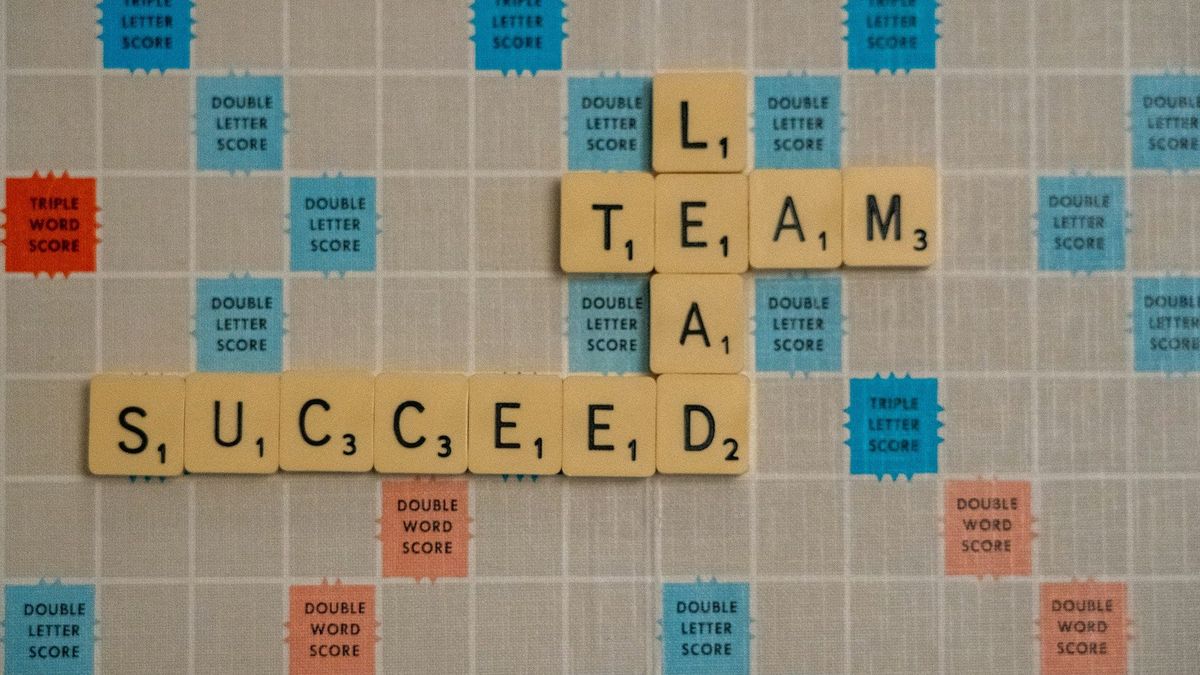
What is business transition and leadership succession planning, and why start now?
The business transition process and leadership succession process are not an “I need to get around to doing this” task. They are a living process you should start as soon as possible. A “thought in your head” transition and leadership succession plan is not a plan at all — it is a dream at best, and a potential nightmare. The difference between a plan and a dream is documentation and funding.
What is leadership succession planning?
Leadership succession planning is the process of identifying and developing new leaders who can replace old leaders when they leave, retire or die. More specifically, it is the process of identifying critical roles in a company and the core skills associated with those roles, then identifying possible internal candidates to assume those jobs when the incumbent's departure is either proactive and planned or suddenly thrust upon the organization.
A common mistake: keeping the process entirely closed, so that those selected do not know they are on a succession list. This is not good for you or your business — candidates you have not developed or informed cannot prepare to step up.
What is ownership transition planning?
Ownership transition planning determines the future of the business. You will transition out of your business at some point, and without a defined plan you are leaving your personal and financial future to chance. Business transition planning determines how to smoothly transfer ownership while maximizing your personal financial security, minimizing taxes and protecting your retirement assets.
Planning includes not only when and to whom you intend to sell or transition, but also ways to maintain your company's value through tax planning and preparedness for unforeseen events. Through this process, you gain peace of mind that both you and your company are ready for the transition.
What events should a transition and succession plan anticipate?
Foreseen and unforeseen circumstances alike can serve as the catalyst for your plan. Consider the consequences of:
- The death of owners or partners
- Divorce in which a spouse has an interest in the business or is a partner
- Mental or physical incapacitation from injury or illness
- The “sin” of ignoring transition and succession entirely — if it is not documented, it is a dream, and eventually a nightmare for the stakeholders left to clean up responsibilities you ignored
Understanding who your key employees are and their impact on your business — including what might happen if they left — is critical to the due diligence process and should not be overlooked.
How do you turn a transition plan from a dream into reality?
1. Clarify your goals and vision — this tells you what is important in your plan and where to put your energies
2. Write it down — your plan will be unique because you and your company are unique; documentation brings clarity to the succession and transition
3. Implement and fund the plan — documentation leads to implementation; if you do all the thinking but never implement and fund the plan, you have only the dream, which again becomes a nightmare
4. Communicate it as a living framework — companies and individuals change; a rigid expectation of who gets to know your plan won't serve you well
Who should you communicate your plan to?
Share the plan with need-to-know stakeholders, including:
- Business partners and fellow shareholders (often your spouse and adult children)
- Internal successor candidates
Why does this matter?
A transition and leadership succession plan is vital to the health and strength of your business. Advisors can help you talk through valuation, strategy, planning, funding or simply brainstorming ideas. It is your plan — documenting, funding and communicating it is what makes it real.
Key facts: business transition and leadership succession planning
Start now: transition and succession are a living process, not a someday task
Leadership succession: identify critical roles, core skills and internal candidates; don't keep it entirely closed
Ownership transition: maximize personal financial security, minimize taxes, protect retirement assets
Anticipate: death, divorce, incapacitation and the cost of ignoring planning
From dream to plan: clarify goals, write it down, implement and fund it, communicate as a living framework
Communicate to: partners/shareholders (often spouse and adult children) and internal successors
Disclaimer: This article is for general informational purposes only and does not constitute legal, tax or financial advice. Consult qualified advisors regarding your specific circumstances.
