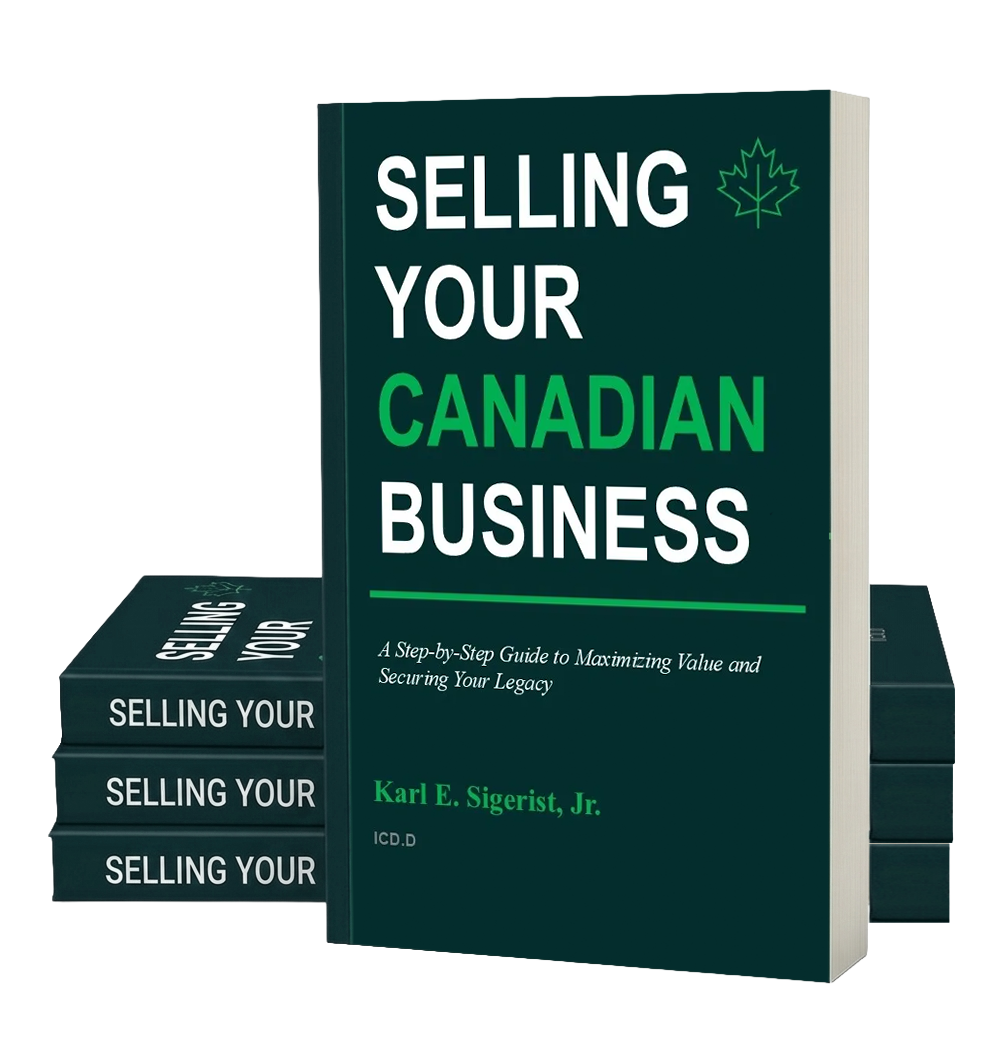
How do you sell a business facing new regulation?


Should you sell your business when facing increased regulation?
Timing matters, and selling early in a shifting environment — such as a wave of new regulation — can be critical. Selling may seem like a bad idea when compliance costs rise, but it is not always the worst option, because some businesses lose value or do not survive heightened regulatory pressure. The decision comes down to the state of your business, your industry and the niche you serve.
When does selling make sense?
- Rising sales — a business with growing sales is more appealing to buyers; affordable, low-priced goods often stay popular as buyers seek bargains
- Essential goods and services — necessity businesses feel minor impact and sell in any environment
- Falling sales — selling can still deliver the best return, preventing losses from accruing as regulatory forces encroach on your sales
- Already planning to exit — if you were ready to sell, it is usually best to proceed as planned
When should you hold?
- When fear is driving the decision — increased regulation does not guarantee a drop in sales or value, so don't let fear dictate the sale
- When you are still enthusiastic — it can be worth working through tough times for long-term success
- When growth is possible — with capital or access to capital, you can acquire smaller adjacent or rival businesses struggling with compliance
What should you consider before selling?
- Culture and people — build and retain a strong management team to widen your buyer audience
- Independent business valuation — understand both the asset-based approach and the market approach
- Accurate, timely data — rolling last-twelve-months and the previous three fiscal years
- Competitive advantages — organize and highlight strengths rivals cannot easily replicate
Key facts: selling amid increased regulation
Sell when: sales are rising, your products are essential, or you were already planning to exit
Falling sales under regulatory pressure can still justify a sale by preventing further losses
Hold when: the decision is fear-driven, you are still passionate, or you can grow through acquisition
Before selling: build a strong management team, get an independent valuation, and prepare accurate LTM and three-year data
Disclaimer: This article is for general informational purposes only and does not constitute legal, tax or financial advice. Consult qualified advisors regarding your specific circumstances.