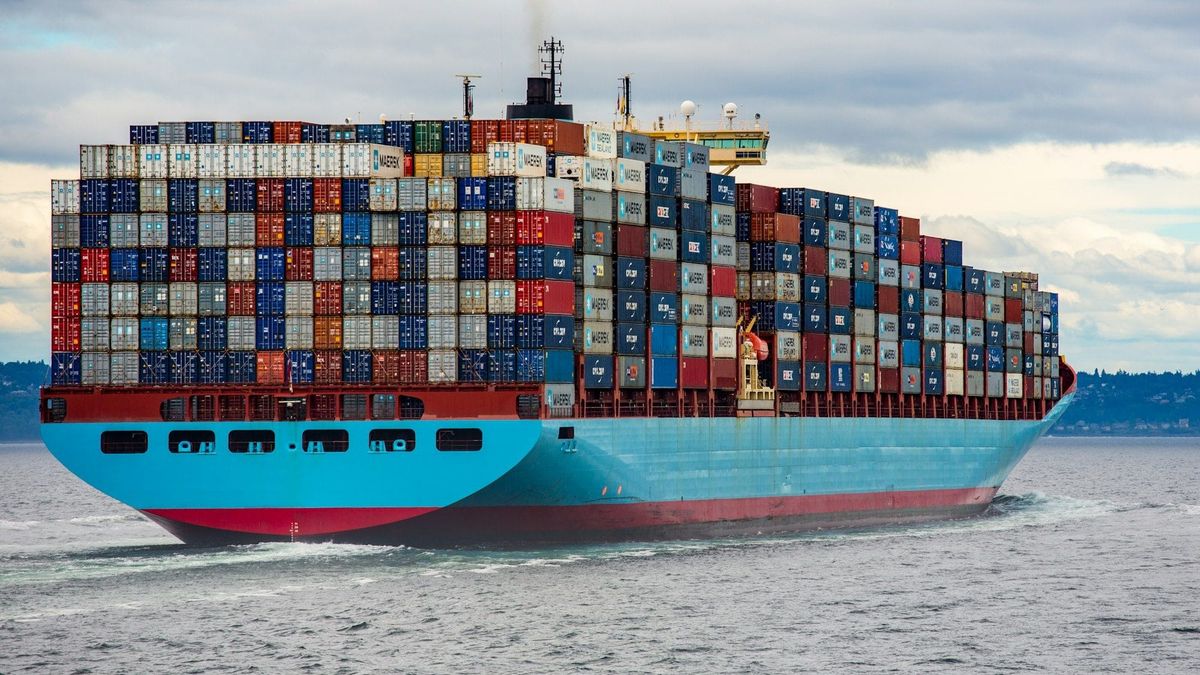
Should you sell your business amid a potential trade war?
Business owners face critical decisions when a potential trade war looms, and one key question is whether to sell early in the business cycle. In some situations, selling is the best way to maximize return on investment, but Canadian owners should carefully evaluate several factors first. Some businesses are more vulnerable during trade disruptions, and an owner may achieve the best return by selling before external pressures mount.
Why sell during a trade war?
- Increased sales — if market changes boost your sales (for example, low-cost domestic goods as consumers shift away from expensive imports), your appeal to buyers rises
- Essential goods and services — necessity businesses feel minimal impact and tend to hold value and sell well regardless of the broader environment
- Declining sales — selling before losses escalate can be the most practical choice, even if it means a lower price
- Plans to sell anyway — if you were already planning to exit, following through proactively makes the transition smoother
Why you might not want to sell
- Fear-based decisions — trade wars don't always cut sales or cause failure, so don't let fear cloud your judgment
- Strong enthusiasm — if you remain passionate and confident in the company's potential, it may be worth working through tough times
- Growth potential — with capital or financing, you can buy smaller competitors or expand into new markets
Key factors before selling
- Culture and people — a strong culture and reliable management team widen your buyer pool
- Business valuation — an independent third party using asset-based and market approaches gives an accurate worth
- Performance data — clear financials for the past 12 months and three fiscal years demonstrate stability and profitability
- Competitive advantages — emphasize what rivals can't easily replicate, such as intellectual property, unique products or strong customer relationships
Who should sell? It depends on your business, your industry and market conditions in Canada and globally. Early sales often yield the best returns, but a well-prepared, strategically positioned business attracts serious buyers even in uncertain times.
Key facts: selling amid a potential trade war
Sell when: sales are rising, products are essential, sales are declining (to limit losses), or you were already exiting
Hold when: the decision is fear-driven, you remain passionate, or you can grow through acquisition
Prepare: strong management, an independent valuation (asset and market approaches), and 12-month and three-year data
A well-prepared business attracts serious buyers even amid trade uncertainty
Disclaimer: This article is for general informational purposes only and does not constitute legal, tax or financial advice. Consult qualified advisors regarding your specific circumstances.
